Property Settlement Process in South Australia: Step-by-Step Timeline & Checklist (2026 Guide)
A step-by-step guide to buying property in SA, from finance and the Form 1 to cooling-off, searches and settlement day.

- Published
- 13 min read
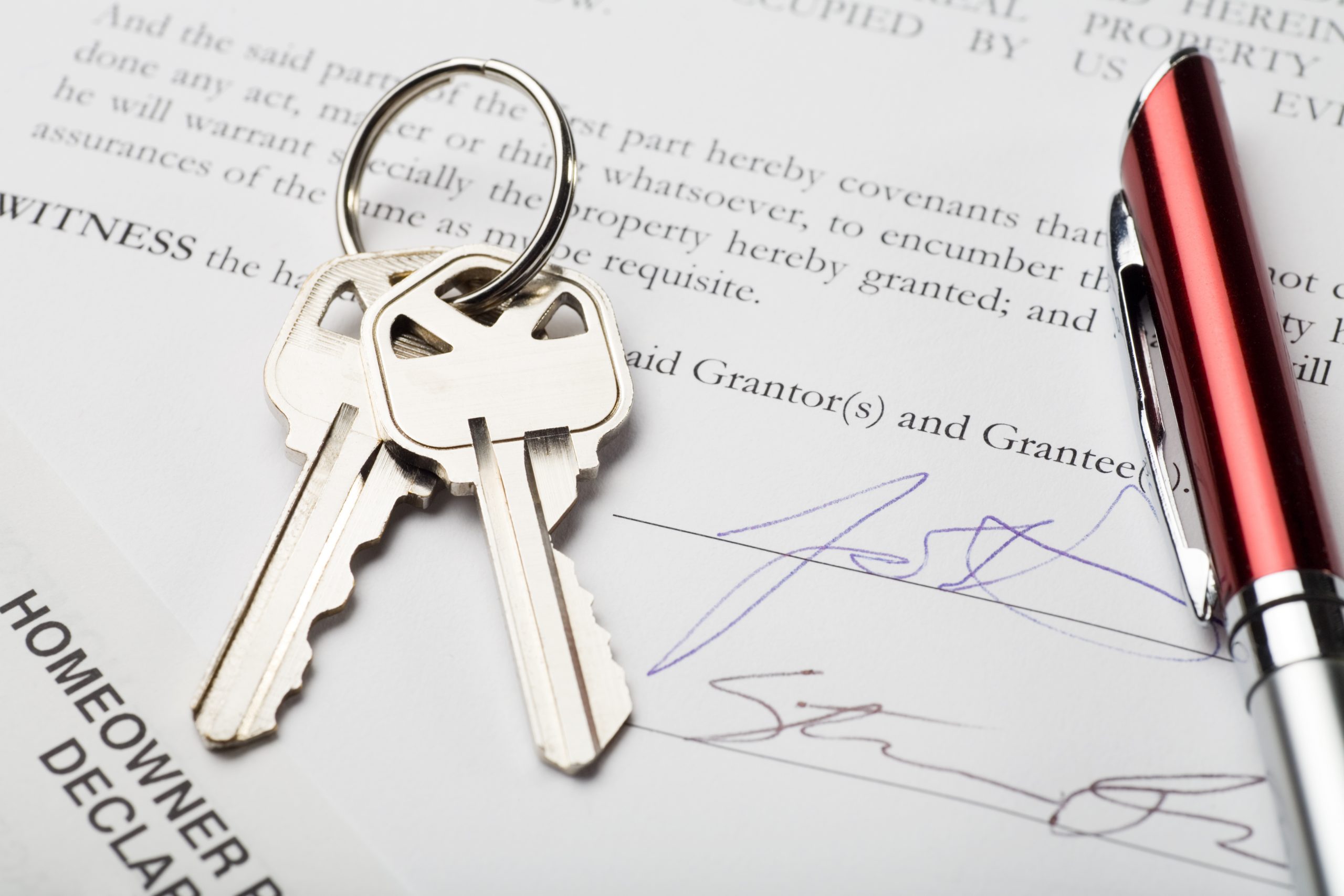
Buying or selling a property is an exciting milestone, but many people aren’t entirely sure what happens between signing the Contract of Sale and settlement day.
At conveyancingSA.com.au, one of the most common questions we’re asked is, “What happens next?” While settlement day is often the focus, there are several important legal and financial steps that need to happen beforehand to ensure ownership can transfer smoothly from the seller to the buyer.
For most residential property transactions in South Australia, settlement occurs between 30 and 90 days after contracts are signed, although shorter or longer settlement periods can be negotiated. During this time, buyers, sellers, lenders and conveyancers work together to complete all requirements needed for settlement.
Property Settlement Process South Australia: Quick Answer
- The property settlement process in South Australia is the legal transfer of property ownership from a seller to a buyer. The process typically involves signing the Contract of Sale, receiving and reviewing the Form 1 Vendor’s Statement which includes the relevant, property searches, AML obligations, including verifying your identity, obtaining finance approval, preparing settlement adjustments, liaising with banks, the agent, other conveyancers and government authorities and completing settlement through PEXA. Once settlement is complete, ownership transfers to the buyer and the seller receive the sale proceeds. For most residential property transactions, settlement takes place within 30 to 90 days of the contract being signed.
What is the Property Settlement Process in South Australia?
Property settlement is the final stage of a property transaction where ownership of the property is transferred from the seller to the buyer.
Although settlement day is when ownership changes hands, a considerable amount of work happens beforehand. Contracts need to be reviewed, AML verifications and checks need to be carried out, searches completed, finance approved, adjustments prepared and settlement arrangements coordinated.
The property settlement process in South Australia typically involves seven key stages: contract signing, Form 1 review, AML verifications, property searches, finance approval, settlement preparation and settlement day.
Today, most residential property settlements in South Australia are completed electronically through PEXA, allowing funds and ownership documents to be exchanged securely online.
Property Settlement Timeline at a Glance
Contract Signed → Form 1 Review → AML & Verification checks → Searches & Due Diligence → Finance Approval → Settlement Preparation → Settlement Day → Keys Released
For most buyers and sellers, the process follows seven key stages.
Property Settlement Timeline in South Australia (Step-by-Step)
Step 1: Contract of Sale is Signed
The settlement process generally begins once the Contract of Sale has been signed and the Form 1 Vendor’s Statement has been served on the purchaser.
The contract sets out important details including:
- Purchase price
- Deposit amount
- Settlement date
- Special conditions
- Inclusions and exclusions
Buyers should engage a conveyancer as early as possible, and can do this before a contract is signed or in their cooling off period. Early advice can help identify potential issues before they become problems later in the transaction.
If you’re buying a property in South Australia, having a conveyancer review the Contract of Sale and Form 1 early can provide peace of mind and help avoid unexpected complications.
The Importance of the Form 1
In South Australia, buyers are provided with a Form 1 Vendor’s Statement. This document contains important information about the property, including:
- Title information
- Council details
- Zoning information
- Easements
- Encumbrances
- Other prescribed disclosures
Reviewing the Form 1 with your conveyancer is an important part of the buying process and helps buyers understand exactly what they are purchasing.
Cooling-Off Period
In most residential property purchases in South Australia, buyers have a cooling-off period of two clear business days once the contract has been fully signed and the Form 1 Vendor’s Statement has been served. It important to note that you don’t have to sign the Form 1 for your cooling off period to commence.
Certain transactions are exempt, including properties purchased at auction. If you are unsure whether cooling-off rights apply to your circumstances, or when your cooling off period will end, speak with your conveyancer as early as possible.
Arrange Insurance Early
In South Australia, the property is generally at the purchaser’s risk from the date the Contract of Sale is entered into. For this reason, buyers should speak with their insurer as soon as possible after signing the contract and arrange appropriate insurance cover. If finance is involved, the lender may also require evidence that insurance is in place before settlement can proceed.
What Happens Next?
For Buyer:
- Pay the deposit (if required)
- Provide the Contract of Sale and Form 1 to your conveyancer (in your cooling off period if possible)
- Arrange building insurance
- Begin finance arrangements
- Confirm finance pre-approval where applicable
For Sellers
- Ensure required disclosures have been provided to your Agent and your Conveyancer
- Appoint a conveyancer
- Arrange preparation and service of the Form 1
- Speak with your bank if you have a mortgage to let them know you are selling
- Begin preparing for settlement
Step 2: Property Searches and Due Diligence
Once the contract is in place, your conveyancer will begin reviewing searches relevant to the property.
Property searches form an important part of the due diligence process and help identify matters that may affect ownership, settlement or future use of the property.
Common Conveyancing Searches
In South Australia, conveyancers commonly obtain and review information from:
- Land Services SA
- Local councils
- SA Water
- RevenueSA
Searches may include:
- Title searches
- Council information
- Land tax searches
- SA Water searches
- Easement checks
- Encumbrance searches
- Zoning and planning information
Why Are Property Searches Important?
Property searches can reveal:
- Easements affecting the property
- Encumbrances registered on title
- Outstanding notices
- Planning restrictions
- Zoning information
- Land tax liabilities
- Matters that may impact future use of the property
These searches help buyers make informed decisions and gain a clearer understanding of the property before settlement occurs.
Step 3: AML and Verification Obligations
For both buyers and sellers, your Conveyancer and Real Estate agent will require you provide them with documentation to verify your identity under new Anti-Money Laundering and Counter-Terrorism Financing Laws.
This may involve providing identification documents, proof of address, information about where your funds have come from, and details about the purpose of the transaction. These checks are a standard legal requirement and help protect against fraud and other illegal activity.
Until this has been completed, your Conveyancer cannot commence work on your matter. To avoid delays, we recommend completing any requested verification and AML requirements as soon as possible.
Step 4: Finance Approval and Loan Documents
Buyers who require finance will generally move from pre-approval to unconditional approval once the lender has completed its assessment of both the borrower and the property.
This process may involve:
- Income verification
- Property valuation
- Identity checks
- Loan document execution
Once finance is approved, the lender works with the buyer’s conveyancer to ensure settlement funds are available on settlement day.
Why Finance Approval Matters
Settlement generally cannot proceed until:
- Finance has been formally approved
- Loan and mortgage documents have been completed
- The lender confirms funds are available for settlement
Step 5: Preparing for Settlement
As settlement approaches, several important tasks need to be completed.
Your conveyancer will coordinate with lenders, real estate agents, relevant government agencies and the other party’s conveyancer to ensure everything is ready for settlement day.
Reviewing the Settlement Statement
Prior to settlement, your conveyancer will prepare or review a settlement statement. This document outlines:
- The purchase price
- Settlement adjustments
- Fees and charges
- Bank costs
- Online settlement Fees
- Funds required to complete settlement
Reviewing the settlement statement ensures all parties understand the financial position before settlement day.
Settlement Adjustments
Settlement adjustments ensure property related expenses are apportioned fairly between the buyer and seller as at the settlement date.
Common adjustments in South Australia include:
- Council rates
- SA Water supply charges
- Sewer charges
- Emergency Services Levy (ESL)
- Land tax adjustments (where applicable)
- Strata and Community Insurance (where applicable)
- Strata and Community Administration and Maintenance charges (where applicable)
These adjustments ensure each party pays their share of expenses up to the settlement date.
Reviewing the Settlement Statement
Prior to settlement, your conveyancer will prepare or review a settlement statement. This document outlines:

- The purchase price
- Settlement adjustments
- Fees and charges
- Bank costs
- Online settlement Fees
- Funds required to complete settlement
Reviewing the settlement statement ensures all parties understand the financial position before settlement day.
Settlement Adjustments
Settlement adjustments ensure property-related expenses are apportioned fairly between the buyer and seller as at the settlement date.
Common adjustments in South Australia include:
- Council rates
- SA Water supply charges
- Sewer charges
- Emergency Services Levy (ESL)
- Land tax adjustments (where applicable)
- Strata and Community Insurance (where applicable)
- Strata and Community Administration and Maintenance charges (where applicable)
These adjustments ensure each party pays their share of expenses up to the settlement date.
Confirm Settlement Funds
As settlement approaches, your conveyancer and lender will confirm the amount required to complete settlement, including any adjustments, government fees and associated costs.
It is important to ensure all required funds have been made available, and any lender requirements have been satisfied to avoid unnecessary delays on settlement day.
Step 6: Settlement Day
Settlement day is when ownership of the property is legally transferred from the seller to the buyer.
For many buyers and sellers, settlement day is surprisingly uneventful because most of the work is handled behind the scenes by conveyancers and lenders.
Most residential property settlements in South Australia are completed electronically through PEXA.
What Happens on Settlement Day?
During settlement:
- Purchase funds are transferred
- The seller receives settlement proceeds
- The Agent and Conveyancers are paid
- Stamp Duty is paid on behalf of a buyer
- Mortgage documents are processed
- Transfer documents are lodged
- Ownership is transferred
- Registration requirements are completed
Once settlement has occurred, the buyer officially becomes the owner of the property.
The seller receives the proceeds of sale, any existing mortgage can be discharged and the necessary ownership documents are lodged for registration.
What Is a PEXA Settlement?
PEXA is Australia’s electronic property settlement platform. It allows:
- Conveyancers
- Lenders
- Land Services SA
To exchange funds and complete ownership transfers electronically, making settlement faster, safer and more efficient than traditional paper-based methods.
Step 7: After Settlement
Settlement may be complete, but there are still a few final tasks to take care of.
For Buyers
Following settlement, buyers may need to:
- Make arrangements to and collect keys from the agent
- Move into the property
- Arrange utility connections
- Update their address
- Confirm insurance arrangements
Once settlement has been confirmed, buyers can usually collect the keys from the selling agent and begin preparing to move into their new home.
Following settlement, Land Services SA updates the title records to reflect the buyer as the registered owner of the property.
Buyers should also ensure their insurer has been notified that settlement has occurred and confirm their ongoing insurance arrangements.
For Sellers
After settlement sellers should:
- Ensure all belongings have been removed from the property
- Confirm settlement proceeds have been received
- Finalise utility accounts
- Redirect mail if necessary
- Update relevant records
For many people, this is when the exciting part begins and they can move on to the next chapter.
Property Settlement Checklist for Buyers
Use this practical checklist to stay organised throughout the settlement process.
Before Settlement
- Appoint a conveyancer
- Review the Contract of Sale and Form 1 including Government Searches
- Sign the Contract of Sale
- Pay the deposit
- Arrange building insurance
- Complete AML and Verification requirements
- Arrange finance approval
- Arrange building inspections (if required)
- Arrange pest inspections (if required)
- Complete Conveyancing documents promptly
- Sign mortgage documents promptly
- Review settlement figures
- Confirm settlement funds
- Transfer settlement funds to your conveyancer or to your nominated bank account
- Arrange utility connections
On Settlement Day
- Confirm settlement has occurred
- Collect keys
- Move into your new home
Property Settlement Checklist for Sellers
Selling a property involves important responsibilities before settlement can occur.
Before Settlement
- Appoint a Real Estate Agent
- Appoint a conveyancerEnsure the Government Searches have been ordered and Form 1 Vendor’s Statement has been prepared, signed by you and served on the Purchaser
- Sign the Contract of Sale
- Complete AML and Verification requirements
- Complete Conveyancing documents promptlyArrange mortgage discharge (if applicable)
- Confirm council, SA Water and ESL information is current
- Cancel any direct debit payments you have in place for the property
- Cancel utilities connected to the property
- Review settlement adjustments
- Prepare the property for handover
- Vacate the property before settlement
On Settlement Day
- Leave keys with the agent
- Confirm settlement has occurred
- Receive settlement proceeds
Common Reasons Property Settlement Is Delayed
While many settlements proceed smoothly, delays can occasionally occur.
Common causes include:
- Delays with finance approval
- Missing documentation
- Outstanding searches
- Lender processing delays
- Property-related issues requiring further investigation
- Discrepancies in settlement adjustments
- Delays with mortgage discharge
Working with an experienced conveyancer can help minimise the likelihood of these issues affecting settlement.
What Does a Conveyancer Do During Settlement?
A conveyancer acts as the central point of contact throughout the transaction.

They coordinate communication between:
- Buyers
- Sellers
- Real estate agents
- Banks and lenders
- Government authorities
- PEXA participants
Their role includes:
- Reviewing contracts
- Conducting searches
- Managing settlement documentation
- Calculating settlement adjustments
- Coordinating settlement
- Helping ensure ownership transfers correctly
For many buyers and sellers, a conveyancer provides peace of mind throughout what can otherwise be a stressful process.
Costs Involved During Property Settlement
Property settlement costs can include conveyancing fees, government charges, lender fees, registration costs and inspection expenses. The exact costs will depend on the property, the parties involved and the nature of the transaction.
| Cost | Typically Paid By |
| Conveyancing Fees | Buyer and Seller |
| Stamp Duty | Buyer |
| Transfer Registration Fee | Buyer |
| Mortgage Registration Fee | Buyer |
| Property Searches | Seller |
| Building Inspection | Buyer |
| Pest Inspection | Buyer |
| PEXA Settlement Costs | Buyer and Seller |
| Mortgage Discharge Fee | Seller |
| Agent Commission | Seller |
Every transaction is different, so there may be additional costs depending on the circumstances.
Need Help with Your Property Settlement?
Whether you’re buying your first home, upsizing, downsizing or selling an investment property, understanding the settlement process can help make the experience less stressful and more predictable.
At conveyancingSA.com.au, we help buyers and sellers with straightforward residential property transactions across South Australia. From reviewing Contracts of Sale and Form 1 documents through to coordinating settlement via PEXA, our team can guide you through every stage of the conveyancing process.
Request your free online conveyancing quote today.
Frequently Asked Questions About Property Settlement
How long does property settlement take in South Australia?
Most residential property settlements occur between 30 and 90 days after contracts are signed, although shorter or longer settlement periods can be negotiated depending on the agreement between the buyer and seller.
What are the common reasons property settlement is delayed?
Common causes include finance approval delays, incomplete documentation, lender processing timeframes, unresolved property issues and settlement adjustment discrepancies.
What is a PEXA settlement?
A PEXA settlement is an electronic property settlement completed online. Funds, transfer documents and registration details are exchanged securely through the PEXA platform on settlement day.
Who pays settlement costs?
Settlement costs vary depending on whether you are buying or selling. Buyers typically pay stamp duty, registration fees and lender-related charges, while sellers commonly pay mortgage discharge costs and agent commissions.
What is a Form 1 and why is it important?
A Form 1 Vendor’s Statement is a legally required disclosure document provided to buyers in South Australia. It contains important information about the property, including title details, council information, zoning and other prescribed matters. Buyers should review the Form 1 carefully with their conveyancer before proceeding.
How is property settlement completed in South Australia?
Most residential property settlements are completed electronically through PEXA. On settlement day, funds are exchanged, ownership documents are lodged and the transfer of ownership is finalised.
Licensed Conveyancer, AICSA Member
Lauren has worked in the South Australian conveyancing industry for almost 20 years. Over that time, she's developed a genuine passion for property and helping people navigate what can be one of the biggest decisions of their lives.
Our standard fee is $990 (inc GST)
Ready to get your conveyancing sorted?
Request a quote online, book a phone consultation with one of our conveyancers, or call the office for a chat. One flat fee and nothing to pay until settlement.